Wondering what it’s really like to buy a house in Candler Park? If you are drawn to older homes, intown character, and the feel of an established Atlanta neighborhood, Candler Park can be a compelling place to search. The key is knowing what comes with that charm so you can evaluate homes with confidence and avoid surprises during due diligence. Let’s dive in.
Candler Park housing basics
Candler Park is an intown Atlanta neighborhood with roots in the late 19th and early 20th centuries. It grew out of the Edgewood streetcar suburb, and that history still shows up in the streetscape and housing stock today.
Most homes are detached single-family houses, though you may also come across early 20th-century multifamily buildings and later apartments. That mix means your search may include several property types and building eras, even within a relatively compact area.
Historic district boundaries matter
One of the first things to know is that not every Candler Park address is the same from a historic-designation standpoint. The National Register district boundaries do not exactly match the neighborhood’s city boundaries.
That means you should verify the specific parcel you are considering rather than assume a home is, or is not, inside a historic district. This detail can affect how you think about the home’s history, future updates, and resale positioning.
What kinds of homes you’ll find
Candler Park offers a wider range of home styles than many buyers expect. While Craftsman bungalows are often the best-known option, they are not the only type in the neighborhood.
Craftsman homes are common
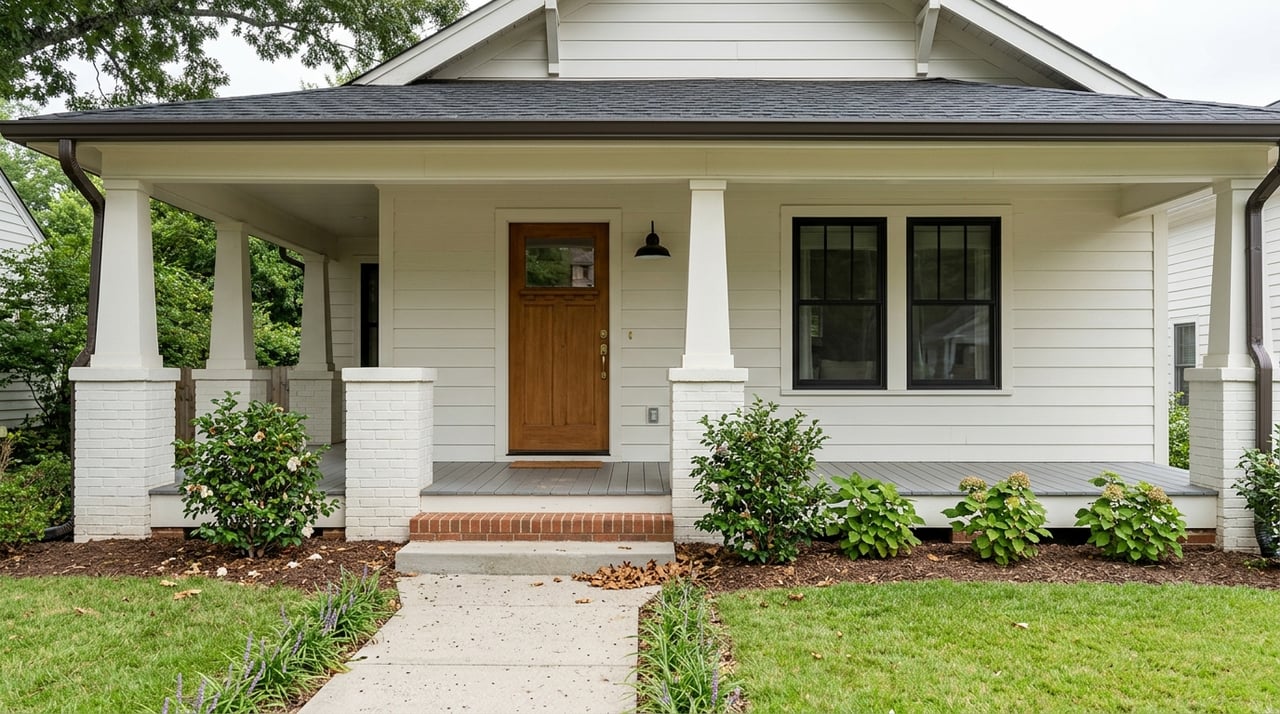
Many of the neighborhood’s historic homes are Craftsman bungalows built from the 1910s through the 1930s. If you love front porches, built-ins, and early 20th-century design details, you will likely see plenty that fit that profile.
Other styles appear too
You may also encounter:
- Queen Anne houses
- Folk Victorian houses
- American Foursquare homes
- American Small Houses from the 1940s
- Apartment buildings and homes dating from the 1930s to 1955
The neighborhood’s period of significance spans from 1850 to 1974, so the housing stock covers multiple eras. In practical terms, that means two homes on the same street can have very different layouts, systems, and renovation histories.
Why home age changes your strategy
Buying an older home in Candler Park is not the same as buying newer construction. Character can be a major advantage, but age often brings more variables during inspections and renovation planning.
Older homes may have had multiple owners, updates from different decades, and repairs done to different standards over time. As a buyer, you want to look beyond finishes and focus on what the home’s age could mean for future work, maintenance, and budgeting.
Renovation rules are not one-size-fits-all
A common misconception is that all Candler Park homes automatically fall under local historic design review. That is not the case.
A neighborhood vote to initiate a local historic district did not pass on October 24, 2024. So, buyers should not assume city design review applies automatically just because a home is in Candler Park.
When design review may apply
If a parcel is in an Atlanta local historic district or landmark district, the Urban Design Commission reviews Certificates of Appropriateness. Atlanta code says new additions and exterior alterations should preserve historic character and remain compatible with the property.
Because of that, it is smart to confirm a property’s status early if you are considering major exterior changes. Even before you make an offer, this can shape whether a home matches your long-term plans.
Inspections for older Candler Park homes
In Candler Park, inspections are often where older-home buying becomes more specific. Georgia law requires a home inspector to provide a written scope of inspection, explain that the inspection is visual, and identify defects along with recommendations for specialists when needed.
That last part is especially important. With older homes, a general inspection is often only the starting point rather than the full picture.
What a general inspection does
A standard home inspection helps you understand visible conditions at the property. It can flag concerns and point you toward additional evaluations when a home’s age, materials, or condition suggest a closer look is needed.
In other words, you should expect your due diligence to be layered. A well-informed inspection process can help you make better repair decisions and negotiate with clearer expectations.
The Georgia wood infestation report
For many older homes in Georgia, one key add-on is the Official Georgia Wood Infestation Inspection Report, often called the WIIR. The Georgia Department of Agriculture says this is the written report used to document evidence of wood-destroying organisms and conditions conducive to infestation, and it can only be issued by a licensed pest-control company.
It is also important to know what this report does not do. The WIIR is not a structural report, and inaccessible areas may not be inspected.
Why that distinction matters
If a home has signs of age-related wear or possible moisture issues, you should not rely on the WIIR alone to judge the home’s overall soundness. It addresses visible evidence of covered organisms and conducive conditions, not a broader building-trade analysis.
That is why buyers often benefit from a general inspection plus any specialty evaluations recommended during due diligence. For older Candler Park properties, that extra step can be well worth it.
Lead and asbestos planning
Because much of Candler Park’s housing stock dates to the early and mid-20th century, renovation planning matters just as much as inspections. Two issues that often come up in older homes are lead-based paint and asbestos.
Lead-based paint is a real consideration
The EPA says 87% of homes built before 1940 contain some lead-based paint. It recommends either treating pre-1978 homes as if they contain lead-based paint or hiring a certified inspector or risk assessor.
For buyers in Candler Park, that means lead-safe renovation planning should feel normal, not alarming. If you are considering updates after closing, this is part of smart due diligence.
Asbestos concerns depend on condition and work planned
The EPA says asbestos-containing materials that are in good condition and will not be disturbed usually do not need testing. But if materials are damaged or remodeling will disturb original materials, a trained asbestos professional should be involved before work begins.
That distinction matters if you are buying a home for cosmetic improvements versus a more substantial remodel. Your renovation plans should help guide what additional review makes sense.
A practical buying checklist
If you are buying a house in Candler Park, here are a few smart next steps to keep in mind:
- Verify whether the specific parcel falls within any historic district or landmark designation
- Look at the home’s architectural style and approximate era with fresh eyes, since age affects systems and renovation planning
- Plan for a general home inspection with the expectation that specialty evaluations may also be needed
- Order the Official Georgia Wood Infestation Inspection Report through a licensed pest-control company when appropriate
- Treat lead-safe planning as standard due diligence for pre-1978 homes
- Involve a trained asbestos professional before remodeling if original materials may be disturbed
Why local guidance helps in Candler Park
Candler Park can be a rewarding place to buy, but it is rarely a plug-and-play neighborhood. The appeal often comes from older homes, varied architecture, and properties with distinct histories, which means details matter from one address to the next.
That is where neighborhood-level guidance can make a real difference. When you understand the age, style, inspection needs, and parcel-specific context of a home before moving forward, you can make stronger decisions and feel better about the investment.
If you are exploring Candler Park, we can help you sort through the details, compare opportunities, and build a buying strategy that fits your goals. Start a conversation about your neighborhood or home with Dustin Wilson.
FAQs
What types of houses are common in Candler Park?
- Candler Park is known for detached single-family homes, especially Craftsman bungalows from the 1910s through the 1930s, along with Queen Anne, Folk Victorian, American Foursquare, and some 1940s American Small Houses.
Are all Candler Park homes in a historic district?
- No. The National Register district boundaries do not exactly match the neighborhood boundaries, so you should verify the specific parcel rather than assume a property is inside a historic district.
Does Candler Park have local historic district design review?
- Not automatically. A neighborhood vote to initiate a local historic district did not pass in October 2024, but some parcels may still fall within an Atlanta local historic district or landmark district where design review applies.
What inspections should buyers consider for older Candler Park homes?
- Buyers should typically plan for a general home inspection and may also need specialty evaluations based on the home’s age or condition, including the Official Georgia Wood Infestation Inspection Report from a licensed pest-control company.
What is the Georgia WIIR in a Candler Park home purchase?
- The Official Georgia Wood Infestation Inspection Report is a state-recognized report that documents visible evidence of wood-destroying organisms and conditions conducive to infestation, but it is not a structural report.
Should buyers worry about lead paint in older Candler Park homes?
- If a home predates 1978, lead-safe planning should be part of your due diligence. The EPA recommends either assuming lead-based paint is present or hiring a certified inspector or risk assessor.
When should asbestos be checked in a Candler Park house?
- If original materials are in good condition and will not be disturbed, testing may not be needed, but if materials are damaged or remodeling will disturb them, a trained asbestos professional should be involved before work begins.