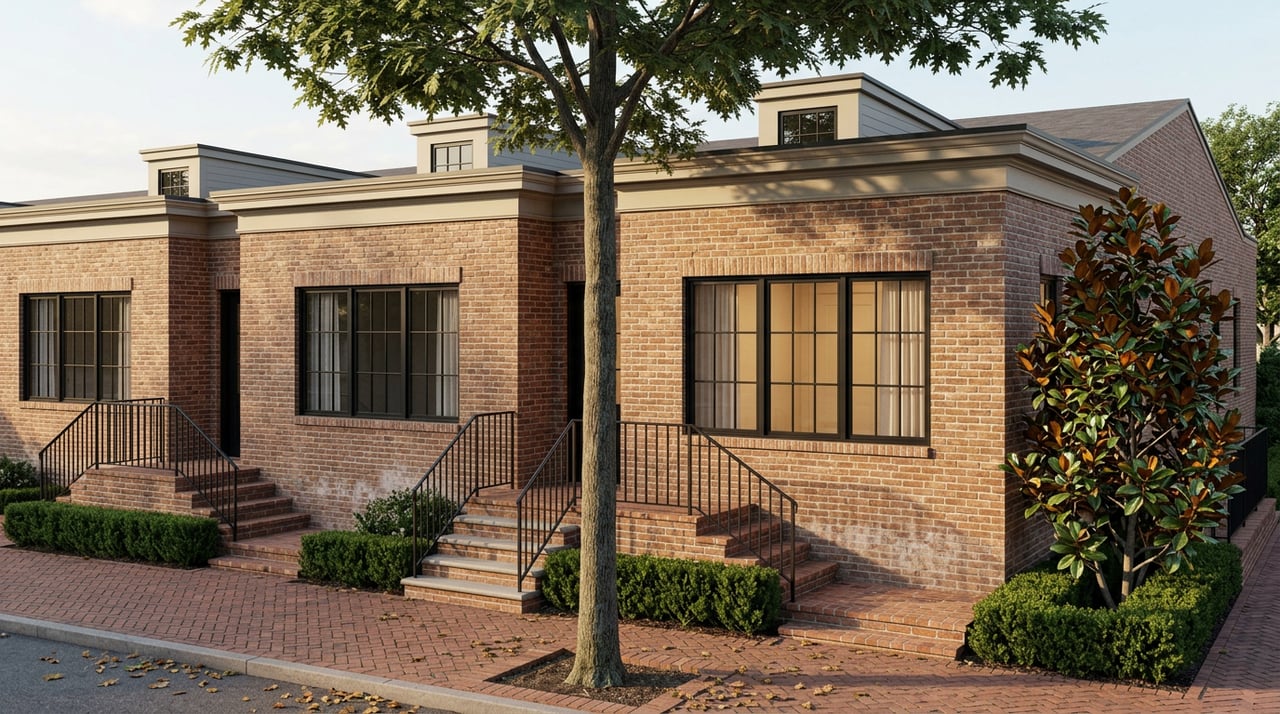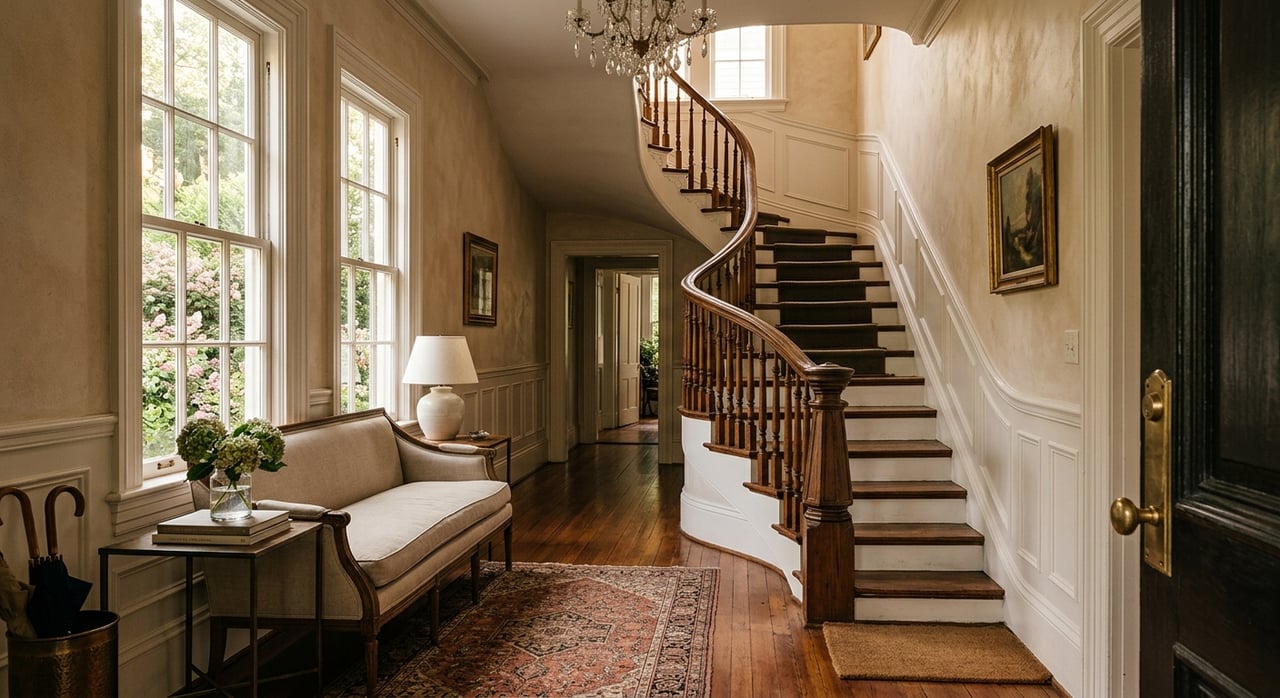
Thinking about buying a historic home in Inman Park? It is easy to fall for the wraparound porches, detailed woodwork, and one-of-a-kind architecture. But charm alone is not the whole story. If you want to buy wisely, you need to understand how these homes were built, what they often need, and how Atlanta’s historic review process can shape your plans. Let’s dive in.
Why Inman Park Draws Historic-Home Buyers
Inman Park stands out because it is both a City of Atlanta historic district and a National Register district. The area is recognized as Atlanta’s first planned suburb, laid out between 1889 and 1891 with broad avenues, curving streets, and parks. That history still shapes the look and feel of the neighborhood today.
For you as a buyer, that means the housing stock is not cookie-cutter. You are often looking at homes with original architectural details, long-established streetscapes, and a level of character that is hard to replicate in newer construction. It also means preservation matters here, both culturally and in how changes are reviewed.
What Types of Homes You’ll See
Inman Park includes a wide range of historic architectural styles. According to the National Register documentation, you may see Queen Anne, Stick/Eastlake, Folk Victorian, Neoclassical and Colonial Revival, Beaux Arts, Shingle Style, Tudor Revival, and Craftsman influences.
You will also find bungalows, cottages, shotgun houses, and early apartment buildings. That variety is part of what makes the neighborhood so appealing. Two homes on the same street can feel very different while still fitting the district’s historic pattern.
Common Features to Look For
Many Inman Park homes share recurring features noted in the district inventory, including:
- Weatherboard walls
- Brick and stone foundations
- Asphalt or tile roofs
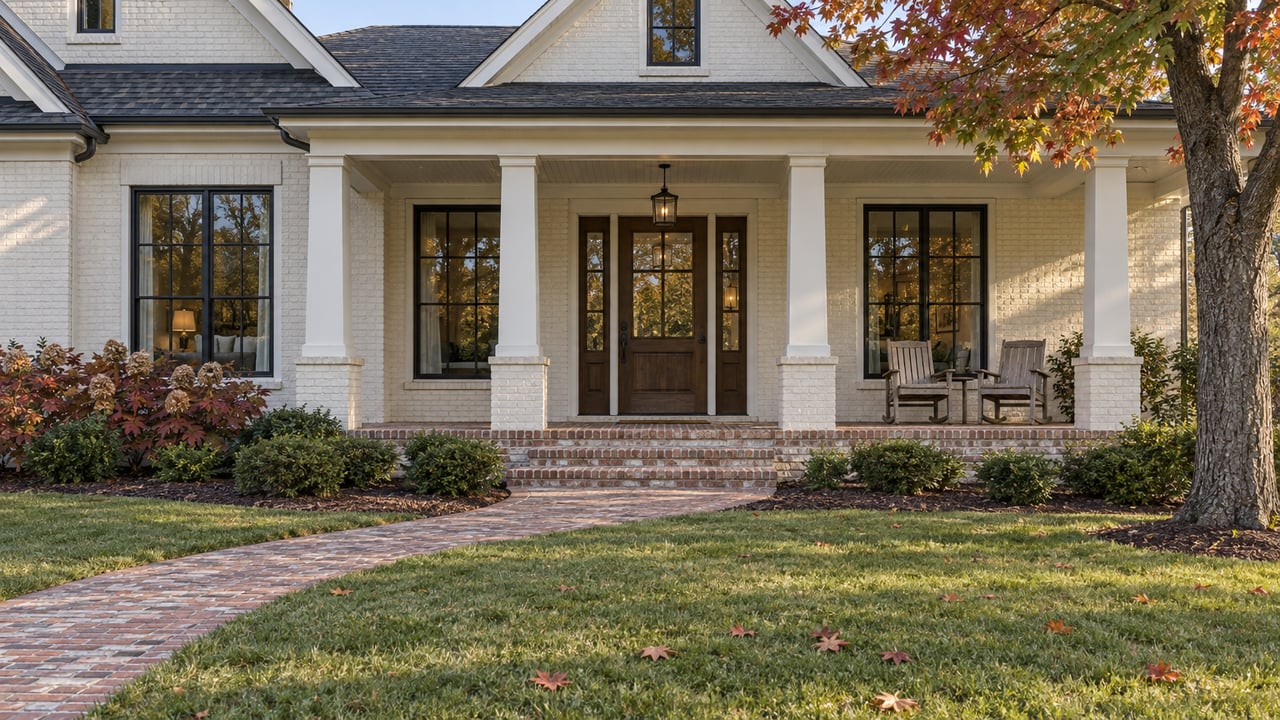
- Full-width front porches
- Dormers
- Transoms and side lights
- Long, narrow lots
These details often add charm and value, but they can also affect upkeep, repair costs, and renovation choices.
Expect a Mix of Original and Updated Elements
Not every historic home in Inman Park is preserved in exactly the same way. Some properties have kept more original materials and layouts, while others were altered, expanded, or subdivided over time as neighborhood needs changed.
That means your home search should go beyond first impressions. A house may have beautiful historic curb appeal but contain a patchwork of updates from different decades. Some changes may be practical and well executed, while others may need closer review.
Key Maintenance Issues to Watch
Older homes can be rewarding to own, but they usually ask more from you than a newer property. In Inman Park, a careful inspection process matters because many issues are tied to age, original materials, and past repair decisions.
Masonry and Moisture
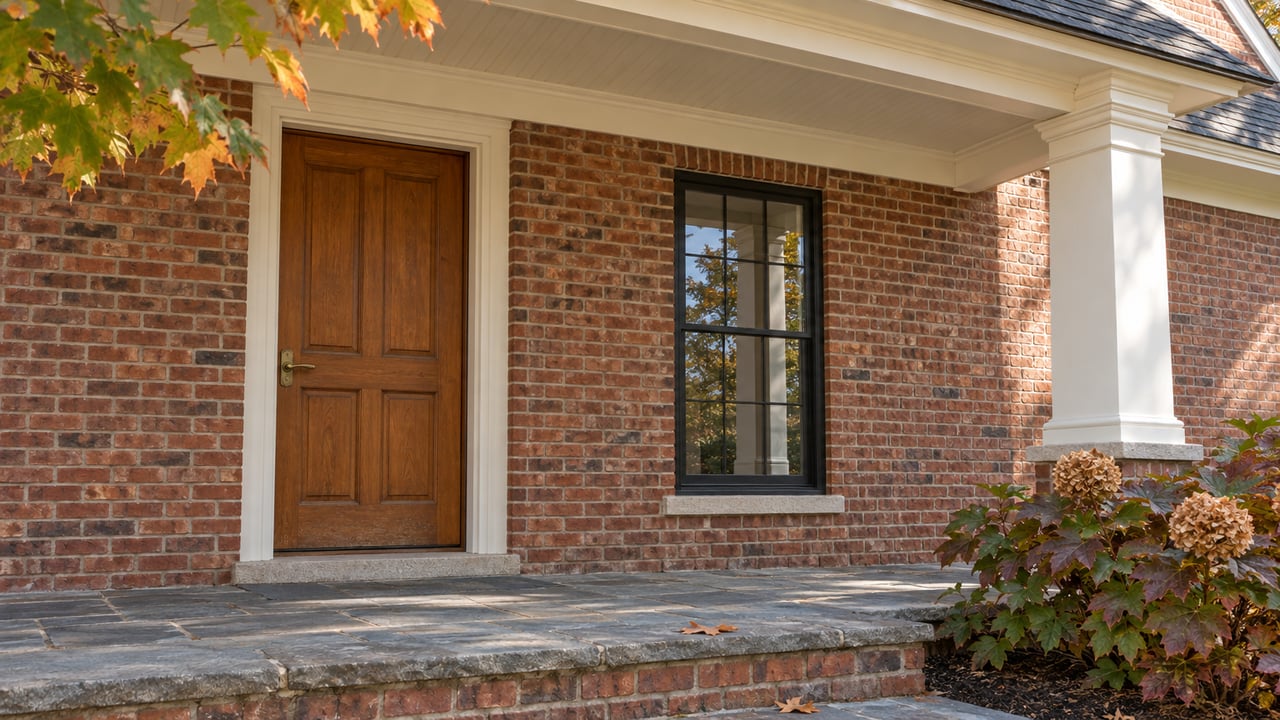
If you are considering an older brick or stone home, moisture should be top of mind. The National Park Service notes that water is the most destructive force on historic masonry. Improper repointing or non-permeable coatings can trap moisture and speed up deterioration.
In practical terms, that means you should pay attention to how masonry has been maintained. Repairs need to be compatible with older materials, and overly aggressive cleaning or the wrong mortar can create bigger problems over time.
Porches Need More Than Cosmetic Care
Porches are one of the defining features of many Inman Park homes. They are also more than decorative. Preservation guidance treats them as important exterior assemblies that need structural and drainage attention when posts, joints, or foundations begin to fail.
If a porch looks uneven, patched, or water-damaged, it is worth a deeper look. A fresh coat of paint can hide issues that affect safety, longevity, and future repair costs.
Roofs and Windows Matter
Historic roofs and windows play a big role in a home’s appearance. Guidance from the National Park Service favors repairing and retaining historic windows when possible. When replacement is necessary, the replacement should closely match the original in material, design, color, and texture.
The same general principle applies to roof work. If you are buying a home with older windows or roofing details, you should expect any future work to involve both practical and visual considerations.
Energy Upgrades Require Planning
Many buyers want better efficiency in an older home, and that is possible. The National Park Service says attics and basements are usually the best starting points for insulation and weatherization. Moisture control and ventilation are important so upgrades do not create rot or other damage.
That is especially relevant in a historic property, where sealing things up without a full plan can cause new problems. Smart upgrades tend to be the ones that balance comfort, preservation, and building performance.
Lead and Asbestos Are Real Considerations
If you are buying an older home, you should assume some materials may need closer evaluation before renovation. The EPA says 87% of homes built before 1940 have some lead-based paint, and pre-1978 homes should generally be assumed to contain it unless testing shows otherwise.
The EPA also says asbestos cannot be identified by sight alone. If a project will disturb suspect material, a trained professional should sample it. For buyers planning updates, this is an important budget and timeline consideration.
How Historic Review Can Affect Your Plans
One of the biggest differences between buying a historic home in Inman Park and buying elsewhere is the city review process for exterior changes. Atlanta says the scope of work determines whether a Certificate of Appropriateness is needed and whether the review goes to Historic Preservation Studio staff or the Urban Design Commission.
This matters because your renovation ideas may not move on the same path. A modest exterior change may be handled one way, while a larger alteration or addition may require a more detailed review.
National Register vs Local Rules
This is an important distinction for buyers. National Register listing by itself does not restrict what a non-federal owner may do with a property. Local historic district rules, however, still can.
For an Inman Park buyer, it helps to think in two layers. First, there is the historic significance of the home itself. Second, there is the City of Atlanta review path for any visible exterior change or addition.
Visible Exterior Changes Often Need Extra Review
Inman Park-specific application materials show how detailed the process can be. For structural alterations and additions, the city asks for photos of all four sides, existing and proposed elevations, site plans, and a compatibility rule study. Window work also has its own worksheet.
The city’s materials also note that some principal-structure additions not visible from the sidewalk, public street, or public park may qualify for Type II staff review. That is useful context if you are considering changes at the rear of the home rather than the front.
Front-Facing Changes Can Be Sensitive
City staff reports make the underlying standards clear. Historic materials, features, spaces, and relationships should be preserved. New work should not create a false sense of historic development, and additions should be compatible in materials, size, scale, proportion, and massing.
A 2025 city staff report on an Inman Park property also treated a front-yard covered patio as needing a variance. For buyers, that is a strong reminder that front-facing additions can receive close scrutiny in this district.
A Smart Inspection Strategy for Buyers
When you buy in Inman Park, a standard home inspection is just the starting point. The National Park Service recommends consulting preservation professionals early, and notes that rehabilitation is often the most common treatment approach because it allows continued use while preserving character-defining features.
A thoughtful buyer often builds a specialist team around the inspection period. That can help you separate manageable maintenance from more expensive or complex issues.
Specialists Worth Considering
Depending on the property and your plans, you may want to consult:
- A general home inspector
- A structural or foundation specialist
- A roofing specialist
- A masonry specialist
- A windows and doors specialist
- A lead-safe renovation professional
- An asbestos professional if suspect materials may be disturbed
This approach can give you a clearer picture of immediate repairs, medium-term maintenance, and the likely path for any future improvements.
Budget for Patience, Not Just Repairs
Buying a historic home is not only about the purchase price. It is also about planning for the pace and complexity of ownership. Inman Park homes often reward buyers who can preserve original form and features where possible, budget for specialist inspections, and assume that visible exterior changes may require extra review.
That does not mean historic ownership has to feel overwhelming. It simply means the best experience usually comes from going in with clear expectations, a realistic budget, and the right local guidance.
Why Local Guidance Matters in Inman Park
In a neighborhood like Inman Park, details matter. The style of the house, the condition of original features, and the likely review path for future exterior work can all influence whether a property is the right fit for you.
That is where a neighborhood-first approach can make a real difference. When you understand both the charm and the responsibilities that come with a historic home, you can make a more confident decision and avoid surprises later.
If you are considering a historic home in Inman Park and want practical guidance on what to watch for, what questions to ask, and how to evaluate your options, Dustin Wilson is here to help you start the conversation.
FAQs
What makes Inman Park a historic-home market?
- Inman Park is both a City of Atlanta historic district and a National Register district, and it is recognized as Atlanta’s first planned suburb with a large collection of historic architecture.
What architectural styles can you find in Inman Park homes?
- Buyers may see Queen Anne, Stick/Eastlake, Folk Victorian, Neoclassical and Colonial Revival, Beaux Arts, Shingle Style, Tudor Revival, Craftsman influences, bungalows, cottages, shotgun houses, and early apartment buildings.
What repairs are common in Inman Park historic homes?
- Common concerns include masonry and moisture issues, porch structural or drainage problems, aging roofs and windows, energy-upgrade planning, and possible lead-based paint or asbestos in older materials.
Do Inman Park exterior renovations need city approval?
- Many exterior changes may require a Certificate of Appropriateness, and the review path depends on the scope of work and whether the changes are visible from public areas.
Does National Register status restrict what you can do to an Inman Park house?
- National Register listing alone does not restrict what a non-federal owner may do, but local historic district rules in Atlanta still may affect exterior changes and additions.
What inspections should buyers consider for an Inman Park historic home?
- In addition to a general home inspection, buyers may want specialists for structure, foundation, roofing, masonry, windows and doors, and lead-safe or asbestos-related work if renovations are planned.