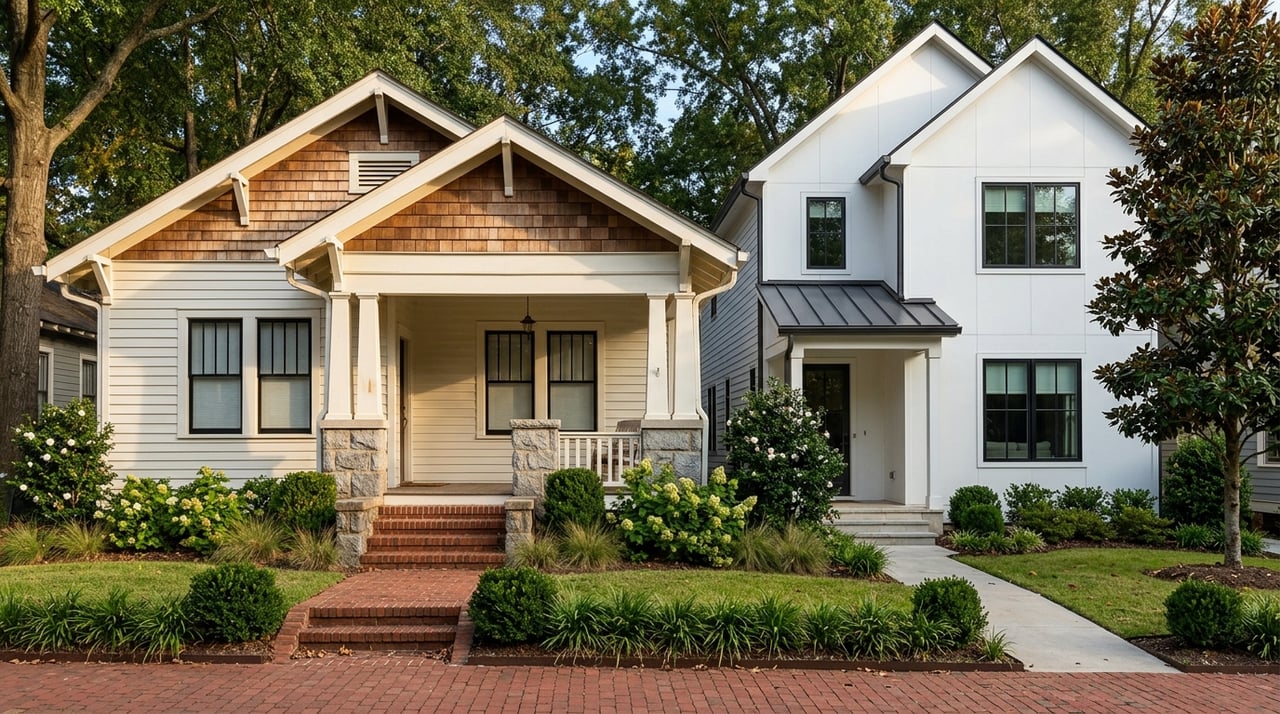
Curious why Grant Park feels so visually rich from one block to the next? In this part of Atlanta, you can spot ornate Victorian details, simple cottages, classic bungalows, and newer infill homes all within the same neighborhood fabric. If you are trying to figure out what fits your style, budget, or renovation comfort level, understanding the area’s housing mix can help you shop with more confidence. Let’s dive in.
Why Grant Park Has So Many Home Styles
Grant Park is one of Atlanta’s oldest residential neighborhoods, and that long history shows up in its architecture. The neighborhood grew around the 131-acre park donated by Lemuel P. Grant in 1883, and the surrounding area covers more than 430 acres of rolling terrain southeast of downtown Atlanta.
Because the district developed over multiple building eras, the homes do not follow just one look. The National Register documentation extends the area’s period of significance to 1954, which helps explain why you will find a broad mix of older styles instead of a single, uniform streetscape.
The neighborhood layout also adds to that character. Narrow lots, mature trees, brick sidewalks, retaining walls, and a traditional street grid all reflect those early development patterns and help tie together homes from different eras.
Victorian Homes Define The Classic Look
When many people picture Grant Park, they are thinking of its Victorian architecture. The neighborhood is especially known for Victorian-era homes, including prominent park-facing houses and more modest modified Queen Anne frame dwellings on nearby streets.
These homes often stand out because of their layered, decorative appearance. You may notice features like turrets, ornate porch railings, varied rooflines, and asymmetrical facades that create the highly detailed look many buyers associate with historic intown Atlanta.
If you are drawn to homes with strong curb appeal and architectural personality, this part of Grant Park may speak to you right away. The visual interest often comes from the combination of porch depth, roof shape, ornament, and massing rather than square footage alone.
What To Look For In A Victorian
If you are touring homes and want to spot Victorian or Queen Anne influence, focus on these cues:
- Asymmetrical front elevations
- Decorative porch trim or railings
- Turrets or projecting bays
- Steeper or more complex rooflines
- Layered exterior details that create texture
In Grant Park, some of these details appear on larger homes, while others show up on smaller frame houses. That variety is part of what gives the neighborhood its distinctive feel.
Bungalows And Cottages Add Everyday Charm
Grant Park is not all grand Victorian homes. The district also includes one-story Victorian-era cottages and Craftsman bungalows, especially on streets east of the park.
These homes usually feel more understated, but they still carry plenty of architectural charm. In practical terms, they can appeal to buyers who want historic character in a simpler footprint or who are open to updating an older home over time.
The broader historic inventory includes styles such as Italianate, Folk Victorian, Neoclassical, Classical Revival, Queen Anne, and Craftsman. So when you hear someone talk about “Grant Park home styles,” it is more accurate to think of a full spectrum of historic housing rather than just bungalows versus Victorians.
What Makes A Bungalow Or Cottage Feel Different
Compared with more ornate Victorian homes, cottages and bungalows often read as simpler and more grounded. While each house is different, many buyers notice:
- Lower, more compact profiles
- Broad front porches
- Cleaner lines with less ornament
- Comfortable one-story or modest two-story layouts
- A more casual historic look
For many buyers, these homes strike a sweet spot between charm and livability. They often feel approachable while still offering the character that makes Grant Park so appealing.
New Builds Are Part Of Grant Park Too
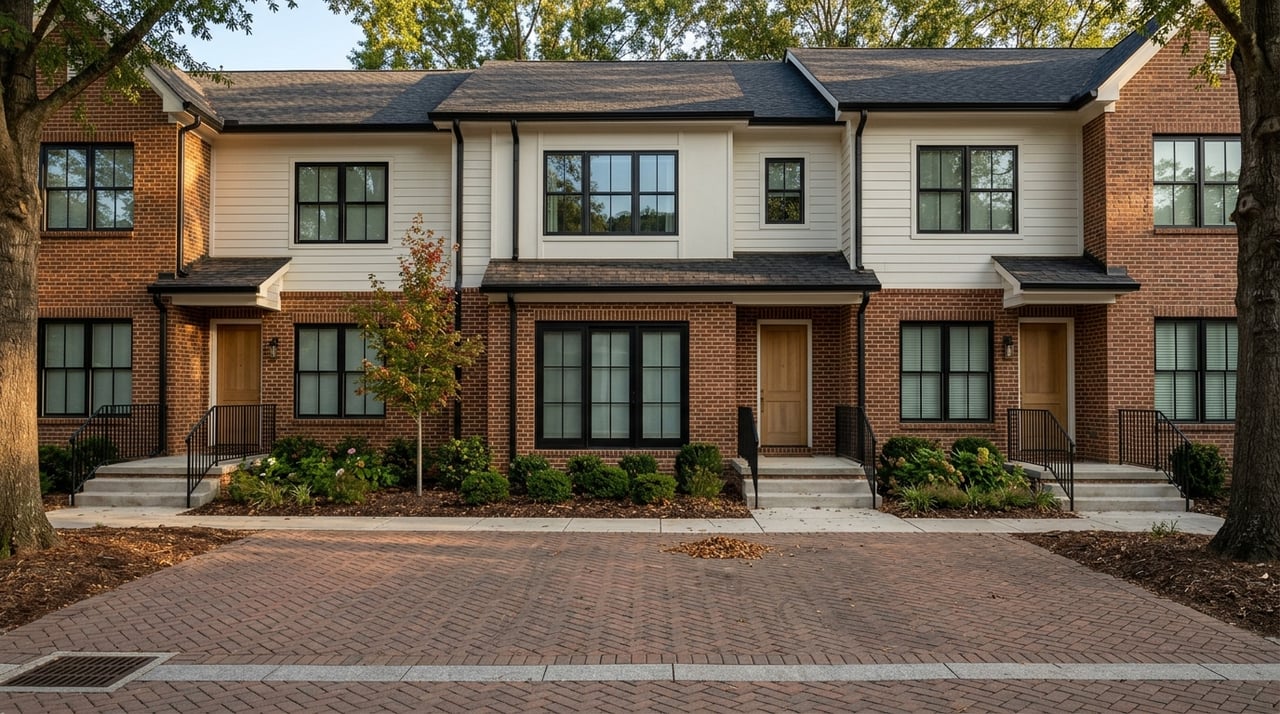
It is easy to assume a historic neighborhood is frozen in time, but Grant Park is not a museum district. The National Register’s additional documentation recorded new construction on multiple streets, including Atlanta Avenue, Augusta Avenue, Bass Street, Berne Street, Boulevard, Glenwood Avenue, Ormond Street, Pavilion Street, Rosalia Street, Sydney Street, and Waldo Street.
Recent City of Atlanta planning material also places Grant Park among neighborhoods where new-construction permits have been issued. Taken together, that points to an ongoing pattern of infill rather than a one-time change.
That matters if you are house hunting here today. Grant Park includes both historic homes and newer construction, which gives buyers more paths depending on how much character, maintenance, and renovation work they want to take on.
Why Some Buyers Prefer Newer Homes
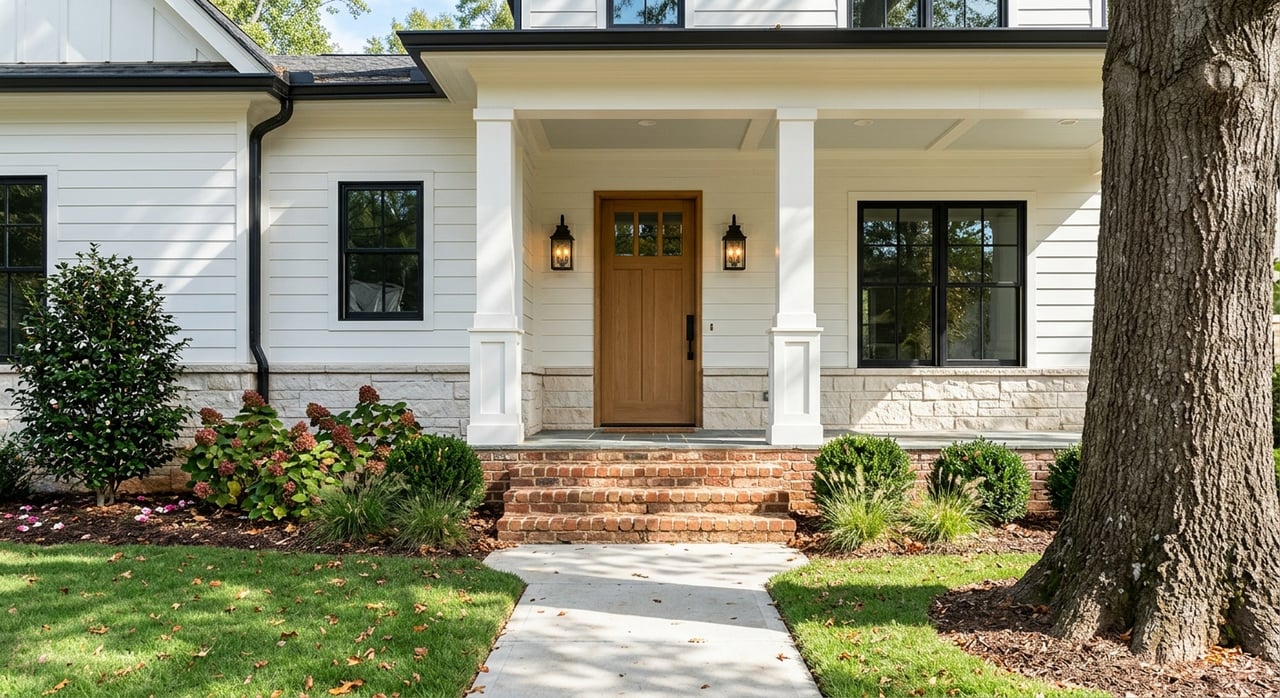
Newer construction can be appealing if you want a more turnkey experience. Some buyers simply prefer a home that feels more current from day one, especially if they do not want to spend time planning updates in an older property.
Infill homes also add another layer to the neighborhood story. Instead of replacing the historic identity of Grant Park, they exist alongside older homes and contribute to the area’s evolving housing mix.
How To Read A Grant Park Streetscape
One of the best ways to understand Grant Park is to look beyond labels and pay attention to form. The district documentation notes that homes are primarily one- and two-story wood-framed buildings with common setbacks, which helps create a consistent rhythm even when architectural styles differ.
As you walk or drive through the neighborhood, try focusing on a few visual markers. Porch depth, roofline shape, ornament, and symmetry can tell you a lot about how one home relates to another and why the block feels cohesive even with varied architecture.
This is also helpful when comparing listings. Two homes may be similar in size or age, but the exterior form and architectural detailing can create a very different feel in person.
What Buyers Should Know About Renovation And Review
If you love the idea of an older home, it is important to understand that Grant Park has both National Register status and city historic-district designation. In the City of Atlanta, the permit path can depend on the scope of work, and review may involve a Certificate of Appropriateness along with staff or Urban Design Commission review.
Grant Park was designated as a city historic district on April 11, 2000, and expanded on November 10, 2003. That does not mean every change is impossible, but it does mean exterior work may involve a review process depending on the project.
For buyers, this is less about alarm and more about fit. If you enjoy historic character and are comfortable learning the rules around updates, an older home here can be a rewarding option. If you want fewer unknowns, newer construction may feel like a better match.
Which Home Type Might Fit You Best
Your best fit often comes down to priorities. Here is a simple way to think about the options:
- Victorian or Queen Anne: Best if you value architectural detail and a strong historic presence.
- Bungalow or cottage: Best if you want charm in a more modest, approachable footprint.
- Newer construction: Best if you want a more turnkey path and less interest in renovation planning.
None of these choices is universally better. The right pick depends on how you want to live, what level of maintenance feels comfortable, and how much historic character matters to you.
Why This Variety Helps Buyers In Grant Park
A neighborhood with only one type of housing can feel limiting. Grant Park’s range of home styles gives you more flexibility, whether you are looking for a statement house, a smaller historic home, or a newer option that blends location with convenience.
That mix can also make your search more strategic. Instead of asking only whether you want to live in Grant Park, you can narrow your focus by architectural style, condition, and the kind of ownership experience you want.
At Wilson Property Partners, we see that local context makes a real difference. When you understand how Grant Park developed and why the housing stock varies, you can compare homes more clearly and move forward with better expectations.
If you are thinking about buying or selling in Grant Park, we would love to help you make sense of the neighborhood block by block. Start a conversation with Dustin Wilson about your goals, your timeline, and the kind of home that feels right for you.
FAQs
What home styles are common in Grant Park, Atlanta?
- Grant Park includes Victorian-era homes, modified Queen Anne houses, one-story cottages, Craftsman bungalows, and newer infill construction.
Are there new construction homes in Grant Park?
- Yes. National Register documentation and City of Atlanta planning materials show that new construction and infill are part of the neighborhood’s housing mix.
Are all Grant Park homes historic?
- No. Grant Park is known for historic homes, but the neighborhood also includes newer homes built on infill sites.
What should buyers notice when comparing Grant Park houses?
- Buyers should pay attention to porch depth, roofline shape, ornament, symmetry, and overall condition, since those details often explain how one home differs from another.
Does renovating a Grant Park home involve special review?
- It can. Because Grant Park has city historic-district designation, some work may require a Certificate of Appropriateness and review by staff or the Urban Design Commission, depending on the scope.
Who is a Grant Park home a good fit for?
- Grant Park can fit buyers who want historic character, buyers open to renovating an older home, and buyers looking for newer construction with a more turnkey feel.