Selling a home in Alpharetta can feel like a big balancing act. You want a strong price, a smooth timeline, and a plan that helps your home stand out in a market where buyers have more choices than they did a few years ago. The good news is that with the right prep, pricing, and local strategy, you can improve your odds of a successful sale. Let’s dive in.
Understand Alpharetta’s Market
Alpharetta remains a desirable North Fulton market, but it is not a one-size-fits-all city. Recent local data points to a median sale price around $764,542 to $769,500, with homes taking about 31 to 37 days to sell on average. Homes are also selling close to list price, generally around a 98.5% to 99% sale-to-list ratio.
That tells you something important. Buyers are still active, but they are also more selective. In a market with roughly 675 homes for sale and about two offers per home on average, strong results often come from smart execution rather than simply putting a sign in the yard.
Alpharetta is also highly local from one area to the next. Median listing prices vary widely by ZIP code, from about $703,750 in 30022 to about $1.125 million in 30004. That is why your pricing and marketing plan should be based on your specific neighborhood, home condition, and competition, not just citywide averages.
Start With a Local Pricing Plan
Pricing is one of the biggest decisions you will make. If you price too high, you may end up with fewer showings, a longer time on market, and price reductions that weaken your position. In today’s Alpharetta market, overpricing is more likely to slow your sale than create a premium outcome.
A strong pricing plan should start with recent sold homes, not just active listings. Active listings show what sellers hope to get, but sold comparables show what buyers have actually been willing to pay. That difference matters when buyers are watching affordability closely.
Mortgage rates also play a role in buyer behavior. Freddie Mac reported a 6.52% average 30-year fixed rate for the week ending June 11, 2026, and Realtor.com expects the 2026 average to stay near 6.3%. For you as a seller, that means many buyers are doing careful monthly payment math, especially for homes that need updates.
What to review before pricing
- Recent sold homes in your immediate area
- Similar size, condition, and lot characteristics
- Updates and overall presentation
- Your ZIP code and neighborhood price band
- Current competing inventory
- How long similar homes are taking to sell
Prepare Your Home to Compete
In a market where buyers have options, presentation matters. Research from NAR shows that 83% of buyers’ agents believe staging helps buyers visualize a property as their future home. The same research also suggests staging can help reduce time on market and may improve the dollar value offered.
That does not mean you need a full renovation. In most cases, the best return comes from visible maintenance, decluttering, and simple styling that makes the home feel clean, open, and easy to imagine living in.
When buyers walk in, they tend to notice signs of deferred maintenance quickly. Small issues can create doubt about larger unseen problems. Taking care of the basics first helps build buyer confidence.
Focus on high-impact prep
- Touch up paint where needed
- Repair worn or damaged flooring
- Update outdated or dim lighting
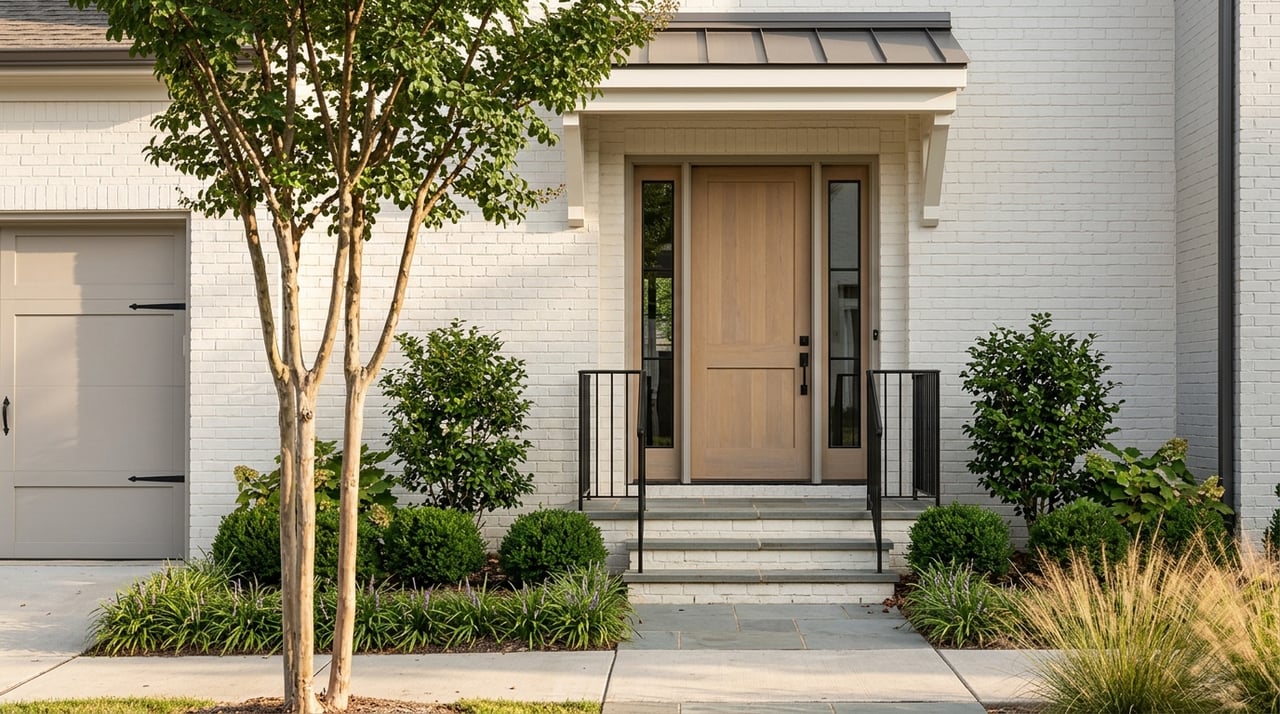
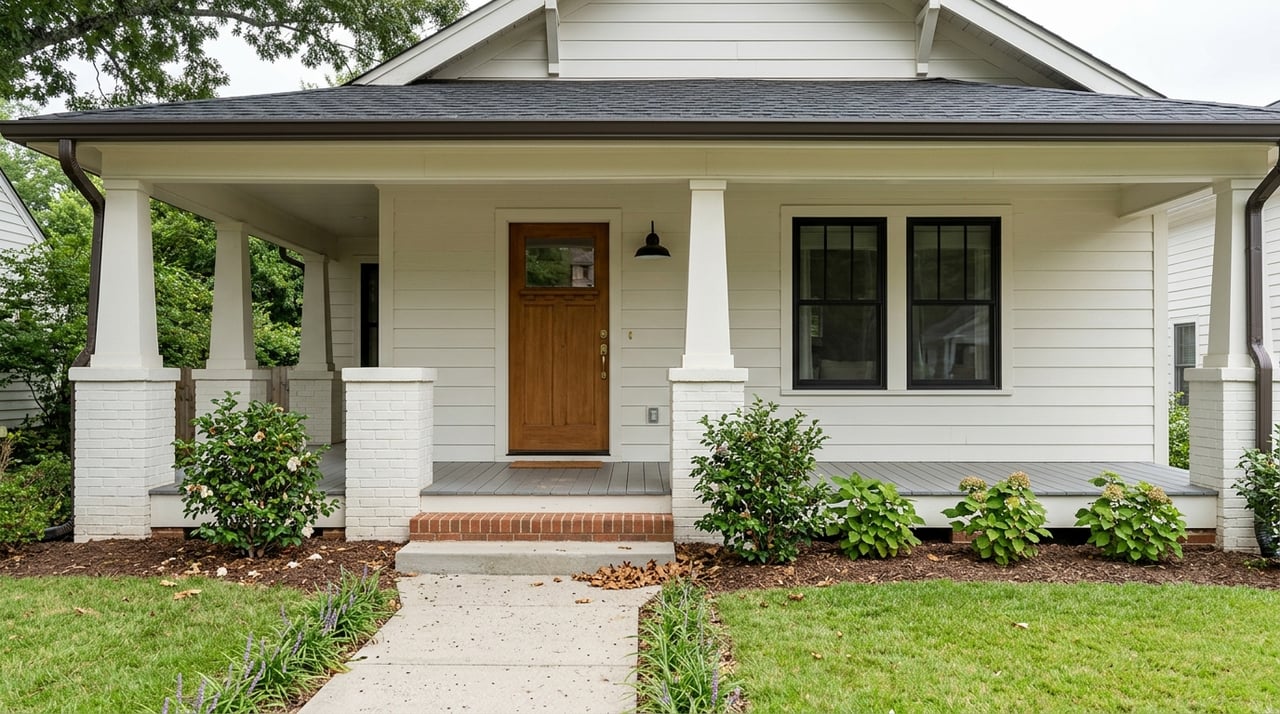
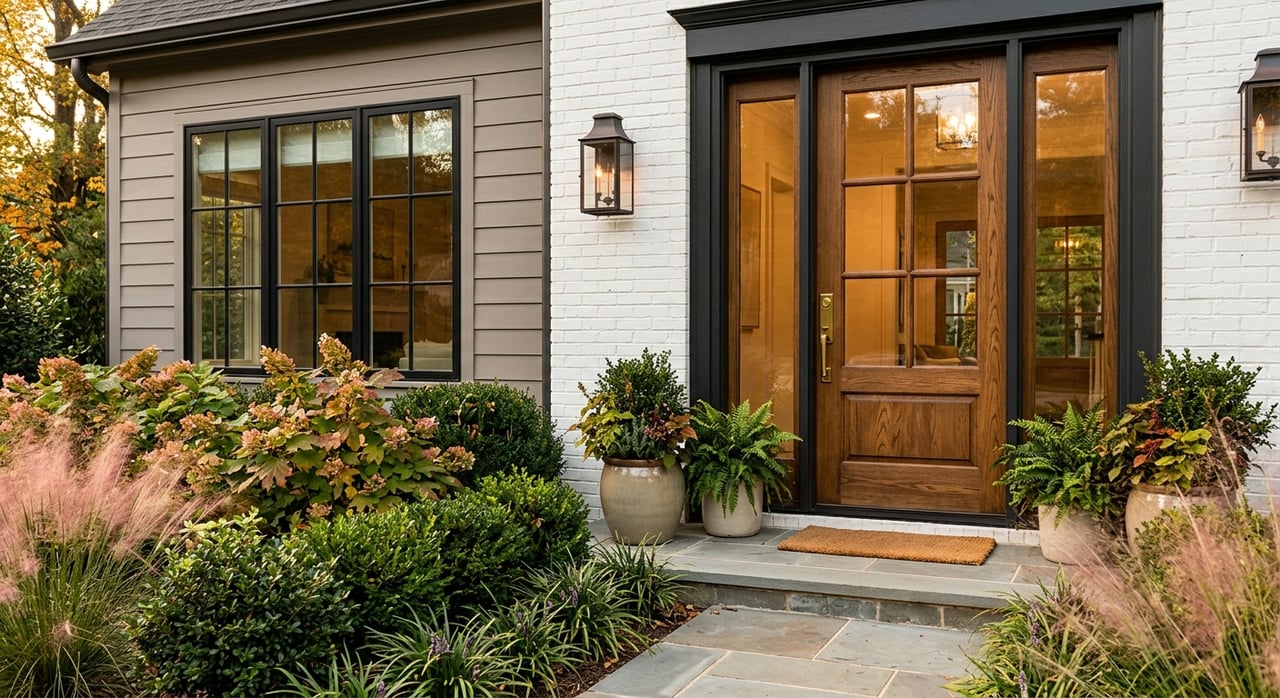
- Tidy landscaping and refresh curb appeal
- Remove personal items and excess furniture
- Organize closets so they feel more spacious
- Clean the front entry and add simple finishing touches like a fresh mat or potted plants
Make a Strong First Impression Online
Your first showing usually happens online. Buyers often decide within seconds whether a home feels worth seeing in person, so your photos and presentation need to work hard from day one. That makes your launch strategy just as important as your list price.
Because Alpharetta buyers often care about both commute and lifestyle, your marketing should present the home clearly and honestly while helping buyers understand the setting. The city’s appeal includes access to GA 400, a large daytime employment base, and amenities such as Big Creek Greenway, Wills Park programming, and local events. These factors help support demand, but the home itself still needs to look move-in ready and well maintained.
If virtual staging or photo enhancements are used, any material alterations should be disclosed so buyers are not misled about the home’s actual condition. Clear, accurate marketing protects trust and helps attract serious buyers.
Time Your Launch Carefully
A successful sale is rarely about luck. It usually comes down to the combination of price, presentation, and timing. Even though median days on market in Alpharetta are now in the low-to-mid 30s, some well-positioned homes can still go pending in about 15 days.
That means your first week on market matters. New listings often get the most attention early, so it helps to launch only when the home is ready. If your home hits the market before it is fully prepared, you may miss your best window to create momentum.
Signs your home is ready to list
- Repairs are complete
- The home is cleaned and decluttered
- Photos reflect the home at its best
- Pricing is based on recent sold comps
- You understand the likely closing costs and next steps
Watch the Right Market Signals
It is easy to get distracted by headlines, but sellers usually benefit more from a few local signals than broad national noise. In Alpharetta, inventory levels, days on market, and sale-to-list ratios can tell you a lot about current buyer leverage.
When inventory rises and homes take longer to sell, buyers generally gain more negotiating power. That can affect everything from your asking price to repair requests and seller concessions. Multiple offers still happen, but they should not be assumed.
In practical terms, today’s market rewards sellers who stay realistic and responsive. If showing activity is low or comparable homes are moving faster, your strategy may need an adjustment.
Ask the Right Questions About Representation
The agent you choose can shape your experience from pricing through closing. NAR recommends asking prospective listing agents how they arrived at the suggested list price, what services they provide, how they will market the home, how they vet buyers, and whether they can share references.
Those are smart questions because a good sale plan is more than a number. You want to understand how your home will be positioned, how buyer interest will be evaluated, and how communication will work once showings and offers begin.
At Wilson Property Partners, we believe sellers benefit from a neighborhood-first strategy backed by responsive team support. That means combining local market insight with professional listing execution so you can make decisions with more clarity and less stress.
Protect Your Net Proceeds
Your sale price is important, but your net proceeds are what you keep after closing costs and other required items. In Georgia, the Department of Revenue states that real estate transfer tax must be paid before a deed can be recorded. The seller is liable for that tax even if the contract assigns payment differently.
There may also be a 3% withholding on the sale of Georgia real property by nonresidents unless a statutory exemption applies. In addition, if your home was built before 1978, lead-based paint disclosure rules apply before the contract is signed, including the lead warning statement and delivery of the required pamphlet.
These details may sound small compared with pricing and showings, but they can affect your timeline and bottom line. Knowing about them early helps you avoid surprises near closing.
Build Your Sale Plan Early
The best home sales usually start before the listing goes live. When you begin early, you have more time to handle repairs, organize staging, review pricing, and prepare for closing details that could affect your proceeds. That usually leads to a smoother process and better decisions.
In Alpharetta, where market conditions vary by neighborhood and buyers are often price-sensitive, preparation can make a real difference. A thoughtful plan helps you meet the market with confidence instead of reacting to it under pressure.
If you are thinking about selling, we are here to help you build a local strategy that fits your home, your timing, and your goals. Start a conversation about your neighborhood or home with Dustin Wilson.
FAQs
How long does it usually take to sell a home in Alpharetta?
- Recent local data shows homes in Alpharetta selling in about 31 to 37 days on average, although well-priced and well-prepared homes can move faster.
How much should I do before listing a home in Alpharetta?
- Focus first on visible maintenance, decluttering, and staging steps that help buyers picture themselves in the home, such as paint touch-ups, lighting improvements, and curb appeal.
What should I ask a listing agent before selling in Alpharetta?
- Ask how the list price was determined, what marketing will be used, how buyers will be vetted, what services are included, and whether references are available.
What closing costs can affect net proceeds on a home sale in Georgia?
- Georgia transfer tax, possible 3% nonresident withholding, and required lead-based paint disclosures for homes built before 1978 can all affect your sale process and proceeds.