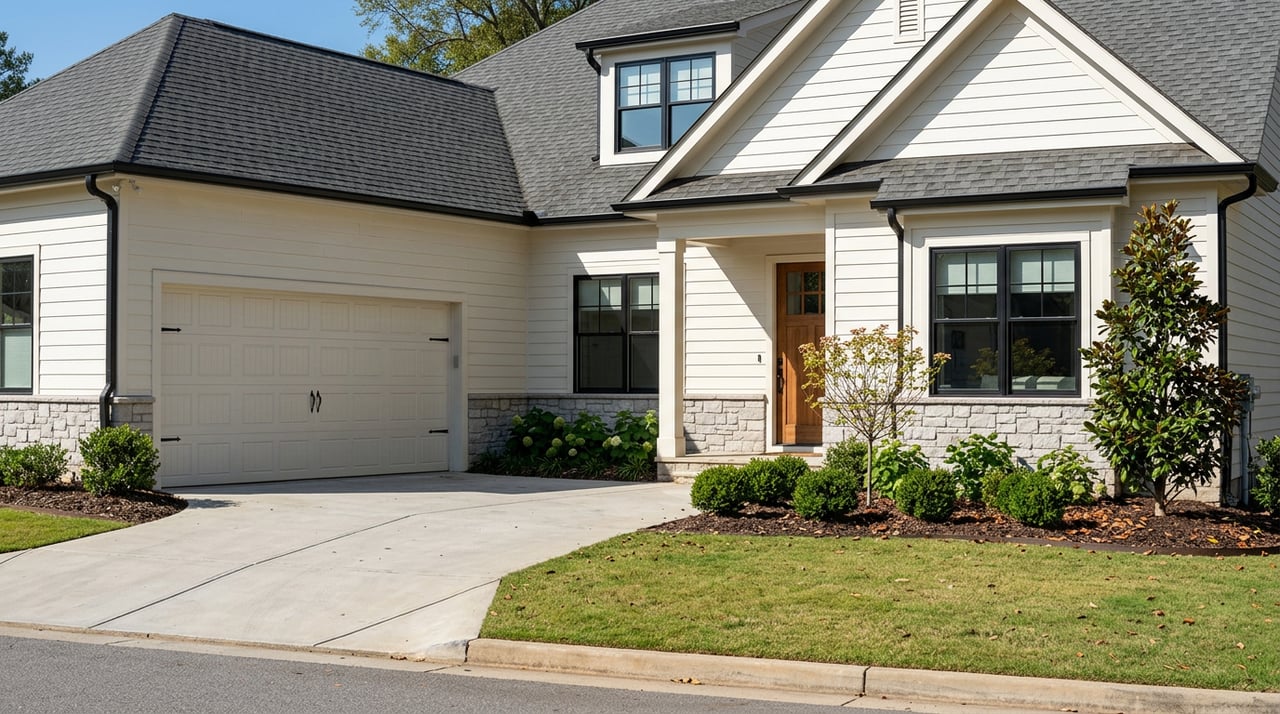
Are you eyeing a rental in West Cobb but unsure how to judge the numbers quickly and confidently? You want steady demand, clear returns, and a plan that reduces surprises. In this guide, you’ll learn how to size up deals using local rent anchors, real operating costs, and a simple worked example you can reuse. We’ll also show you a practical checklist and how our team supports investors from sourcing through property management handoff. Let’s dive in.
What “West Cobb” really means
West Cobb is a local term, not a single city. Think the western portion of Cobb County, with cities like Kennesaw, Acworth, Powder Springs, and parts of Marietta or Mableton as your comp areas. If you need a quick reference, this local guide to West Cobb helps frame the geography for comp pulls.
For pricing context, countywide single‑family values are around the mid‑$400k range, with Zillow’s county index near $421,680 as of late January 2026. You can reference the Cobb County home value index when you start underwriting, then switch to exact parcel pricing.
Rental pricing also varies by bedroom count and product type. Countywide median rents fall roughly in the $1,800 to $1,950 range, based on listing aggregates. Use a quick scan of the Cobb County rental overview to set expectations for the area, then narrow to your micro‑market.
Why West Cobb draws renters
- Major employers and institutions support stable demand. The Cobb County School District, Wellstar Health System, Lockheed Martin, The Home Depot, and Kennesaw State University anchor jobs and enrollment. See a summary of local anchors in this regional employer overview.
- Proximity to Atlanta’s job base adds commuter appeal, which helps detached single‑family rentals and townhomes hold interest.
- Niche demand exists near KSU for student housing and around Lake Allatoona for short‑term stays, but those require separate underwriting and rule checks.
Typical property types and rent anchors
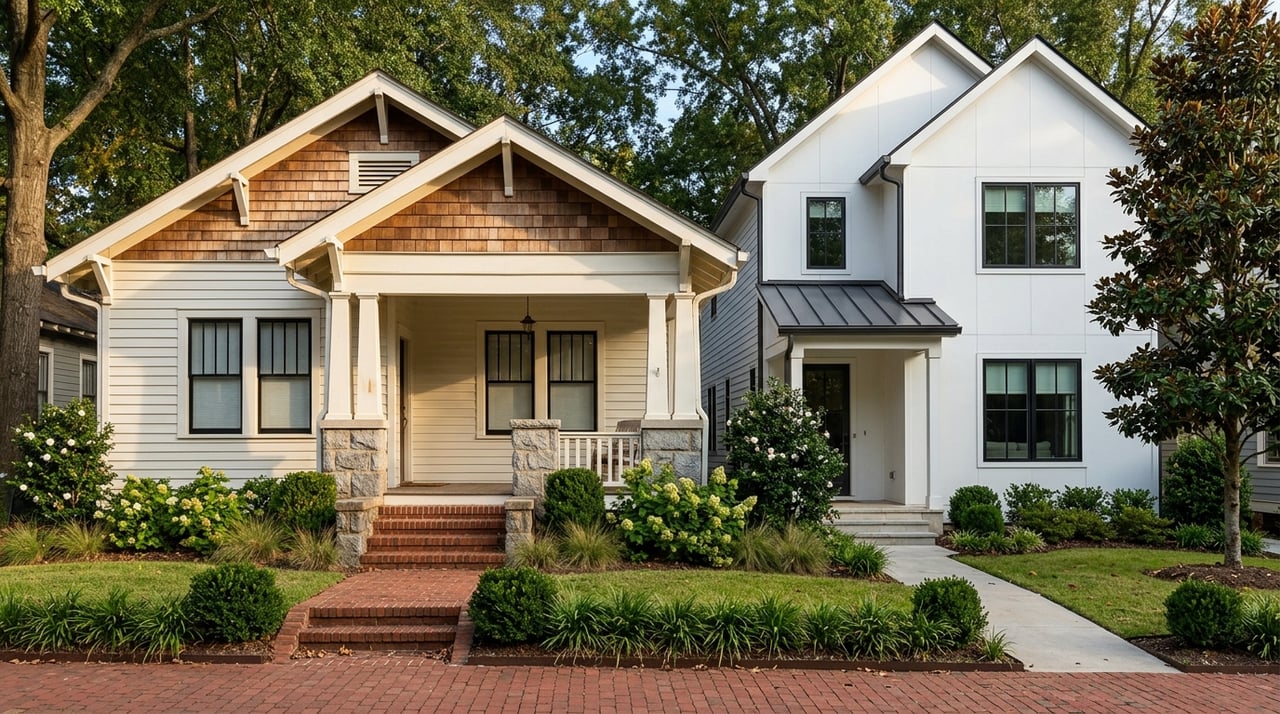
- Single‑family detached homes: The core investor product in West Cobb. Many 3‑bed houses lease near the county average of about $2,200 to $2,300 per month. Use the Rentometer county benchmark as a starting point, then pull 3 to 6 comps within a 1 to 2‑mile radius for your subject property.
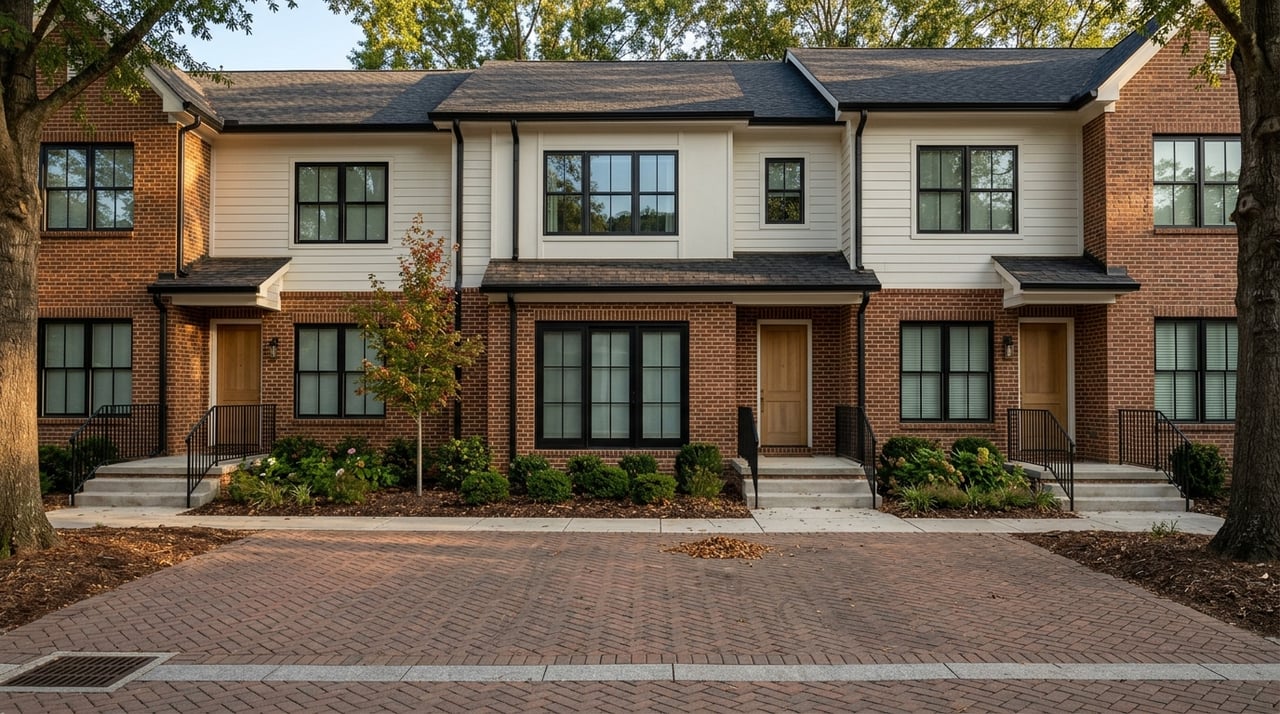
- Townhomes and attached homes: Usually rent below detached homes with the same bedroom count. HOA fees and density can narrow cash‑flow spreads, so factor dues and rental rules into your screen.
- Small multifamily (2 to 4 units): Less common in single‑family neighborhoods. Yields depend on per‑unit rent and unit mix.
- Niche plays: Student rentals near KSU and short‑term rentals near Lake Allatoona. Both can work, but confirm local rules and operating assumptions before you model returns.
The metrics that matter here
- Gross Scheduled Rent (GSR) = monthly rent × 12.
- Effective Gross Income (EGI) = GSR × (1 − vacancy).
- Net Operating Income (NOI) = EGI − operating expenses (exclude mortgage).
- Cap Rate = NOI ÷ purchase price.
- Cash‑on‑Cash = (NOI − annual debt service) ÷ cash invested.
- GRM = purchase price ÷ GSR (lower can imply higher yield).
- Rent‑to‑price (monthly) = monthly rent ÷ purchase price. In much of Cobb County, this ratio is often under 1 percent for standard single‑family rentals.
Expect unlevered cap rates for suburban Atlanta single‑family properties to sit in the low to mid single digits. That makes precise underwriting and cost control essential to reach your goals.
A simple West Cobb screening example
Use this as a model and swap in the parcel’s true numbers.
Assumptions (rounded):
- Purchase price: $425,000 (aligns with Zillow’s county index).
- Market rent: $2,273 per month for a 3‑bed detached home, based on the Rentometer county average. GSR = $27,276.
- Vacancy: 5 percent. EGI ≈ $25,912.
- Operating expenses: 50 percent rule for a quick screen. Op ex ≈ $12,956.
- NOI: ≈ $12,956.
- Unlevered cap rate: ≈ $12,956 ÷ $425,000 ≈ 3.05 percent.
Financing check (illustrative):
- 75 percent LTV at 7.5 percent on a 30‑year term gives annual debt service near $26,745. With the NOI above, levered cash flow would be negative. Rates move with the market, so confirm current averages at Freddie Mac’s PMMS and get lender quotes before you commit.
Takeaway: At market pricing and average rents, many West Cobb single‑family buys will screen with modest caps and can show negative near‑term cash flow at prevailing rates. You improve the picture by buying below median, executing value‑add, achieving above‑average rents, or using financing and renovation strategies that change the inputs.
Taxes, insurance, and management: cost lines that move returns
- Property taxes: Georgia assesses residential property at 40 percent of market value. Multiply the assessed value by the total millage to estimate annual taxes. Cobb’s 2025 schedule shows an unincorporated county total near 30.13 mills, with higher totals in some cities. See the Cobb County millage rate table and run the parcel’s overlapping jurisdictions. Example: $425,000 × 40 percent = $170,000 assessed. $170,000 × 30.13 mills ÷ 1,000 ≈ $5,122 per year.
- Insurance: Landlord policies in Georgia often land in the low thousands annually. Get quotes for the specific address and age of the home. As a benchmark, review this Georgia landlord insurance overview.
- Property management: Many full‑service managers charge about 8 to 12 percent of collected rent, plus a leasing fee. Structures vary, so confirm the proposal. A quick primer on typical fees is here: property management fee basics.
- Vacancy and collections: Model 3 to 7 percent until you have local PM history for your target area. The Rentometer county snapshot is useful for context, but lean on fresh comps and manager input.
Rules, permits, and HOAs to confirm
- HOA rental limits: Some communities restrict lease counts, minimum terms, or corporate ownership. Always request current HOA documents early.
- Short‑term rental rules: These vary by city. If you are evaluating STR potential around Kennesaw or nearby, review the latest municipal guidance and permits. A good starting point is this Kennesaw STR summary, then verify directly with the city.
- Zoning and occupancy: Confirm allowed uses, bedroom count, parking, and any local licensing needs.
Your West Cobb due‑diligence checklist
- Pull 6 recent comparable leases and 6 recent sales within 1 to 2 miles, matched by bedroom count, condition, and amenities.
- Confirm current parcel tax bill and re‑calculate taxes with the latest Cobb County millage schedule.
- Get 2 landlord insurance quotes and a written property‑management proposal with fee schedule and service scope.
- Verify HOA rental rules, dues, and any special assessments.
- Inspect roof, HVAC, plumbing, foundation, and electrical. Obtain contractor estimates for near‑term and capital items.
- Build a 5‑year pro forma with rent, vacancy, tax, insurance, and capex scenarios. Test rates using Freddie Mac’s PMMS and your lender quotes.
How we help investors move fast
You want clean data, tight timelines, and confidence. Our team pairs neighborhood‑level knowledge with the tools and vendor network you need to execute.
- Sourcing and deal flow: MLS, off‑market outreach, builder resale, and targeted mail in higher‑yield ZIPs.
- Rapid rent comps: We triangulate 3 to 6 local comps plus the Rentometer county benchmark and PM leasing histories to set realistic rents.
- Underwriting support: We build 5‑year pro formas, test cash‑on‑cash at multiple interest rates, and model vacancy and capex sensitivities using current PMMS rate data.
- Local due diligence: Parcel tax history, millage checks, zoning, flood and utilities, HOA documents, and rental restrictions.
- Renovation and vendors: Trusted contractors and project management to keep budgets and timelines on track.
- Property management handoff: We coordinate proposals and lease‑up strategies so you launch with a plan.
Ready to evaluate a specific address in West Cobb? We’ll run comps, taxes, and a side‑by‑side pro forma so you can make a clear decision. Start a conversation with Dustin Wilson.
FAQs
What counts as “West Cobb” for rental comps?
- Use the western portion of Cobb County, including Kennesaw, Acworth, Powder Springs, and parts of Marietta or Mableton. Pull comps within 1 to 2 miles of your target address.
What are typical 3‑bed single‑family rents in West Cobb?
- County benchmarks show many 3‑bed detached homes near the $2,200 to $2,300 per month range. Always confirm with fresh local comps for your micro‑market.
How do I estimate Cobb County property taxes on a rental?
- Take market value × 40 percent to get assessed value, then multiply by the parcel’s total millage and divide by 1,000. Verify the latest millage table and the property’s overlapping jurisdictions.
Do West Cobb single‑family rentals usually meet the 1 percent rule?
- Often no. Many properties trade with rent‑to‑price ratios under 1 percent, which leads to modest cap rates unless you buy below market, add value, or improve terms.
What property management fee should I model?
- A common range is 8 to 12 percent of collected rent for full service, plus a leasing fee. Confirm the exact structure and add reserves for maintenance and turns.