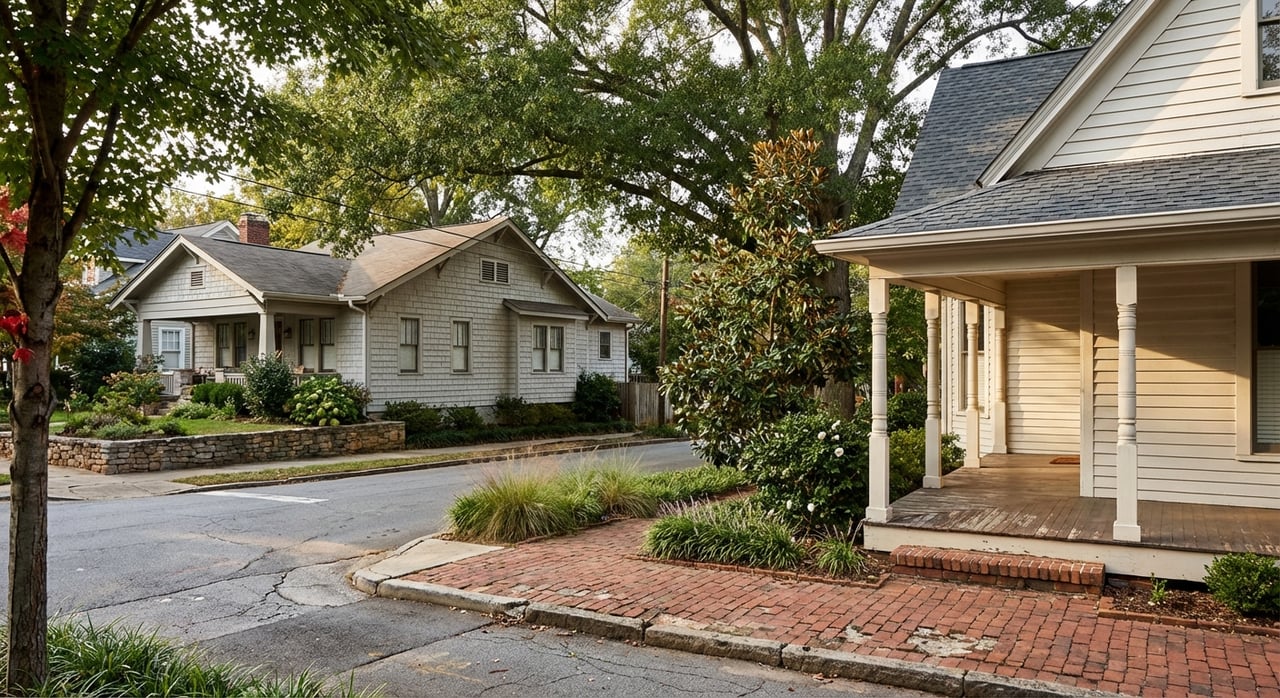
What if your morning walk took you past painted Victorians, pocket parks, and a buzzing food hall on the BeltLine? If you’re drawn to both history and a lively urban rhythm, Inman Park may be your sweet spot. In this guide, you’ll get a clear feel for daily life, commute options, parks and dining, and the types of homes and prices you’ll find. You’ll also see tips for timing the market and how to explore the neighborhood like a local. Let’s dive in.
Where Inman Park sits
Inman Park anchors Atlanta’s east side with curving streets and a strong tree canopy. It’s often described with rough boundaries that include the BeltLine Eastside Trail to the west, Freedom Parkway to the north, Moreland Avenue to the east, and DeKalb Avenue to the south. Much of the area falls within the National Register–listed Inman Park Historic District, which shapes how the neighborhood looks and feels today. You can learn more about the area’s character and historic listing on the Inman Park overview.
Historic roots you can see
Inman Park was developed in the late 1880s by Joel Hurt as Atlanta’s first planned garden suburb. The neighborhood grew along the Atlanta & Edgewood electric streetcar, and those early design choices gave Inman Park its wide, planted avenues and graceful, winding layout. If you love neighborhoods with a story, this one stands out in Atlanta’s history of growth and preservation. For a quick background, see WABE’s piece on life in Atlanta’s original suburb.
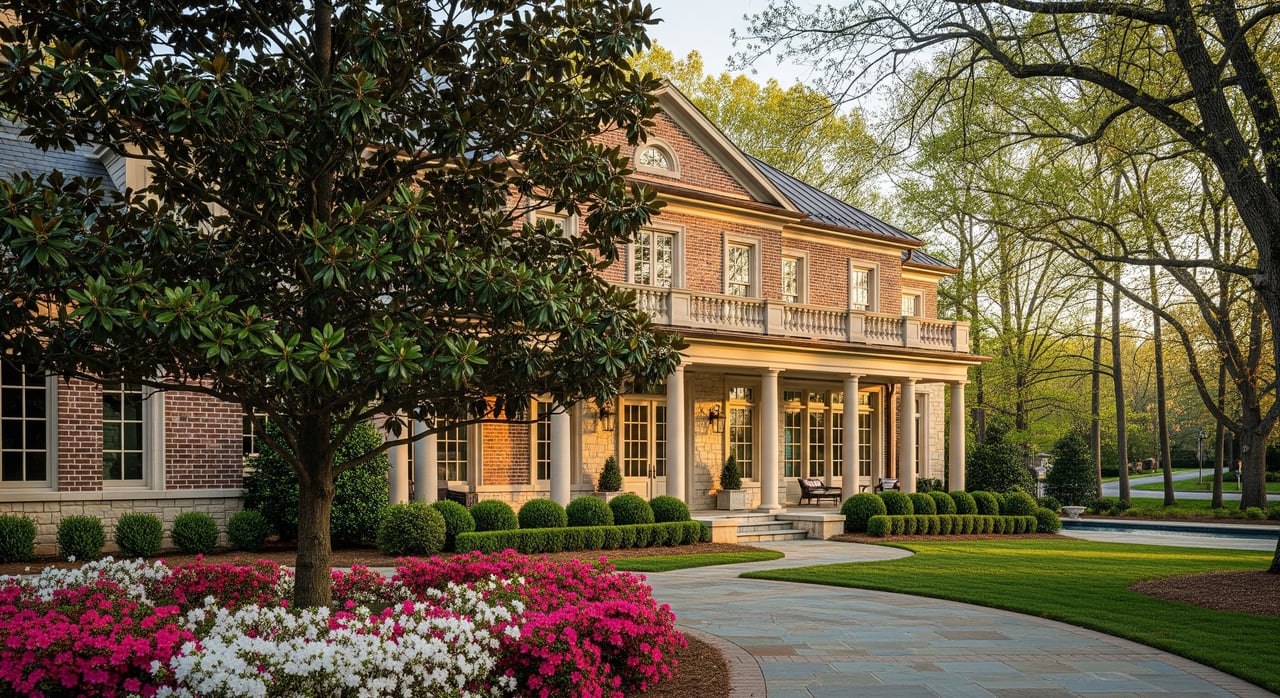
Walk the streets and you’ll spot grand Queen Anne and Romanesque Revival homes, plus early 20th‑century bungalows, American Foursquares, and shotgun cottages. The Trolley Barn, a former streetcar depot now used for events, and landmarks like the Kriegshaber House offer living reminders of the streetcar era. The neighborhood’s preservation push, dating back to the 1970s, helped save these buildings and sparked local pride that still shows up in everyday life and annual traditions.
Parks and green escapes
Inman Park balances city energy with small, landscaped parks and leafy streets. Springvale Park sits at the center with walking paths and a pond, and you’ll find community spaces like Delta Park and Gordon Park woven into the blocks. Just north, the Freedom Park greenway opens up longer routes for jogging, biking, and weekend picnics. The result is a porch‑and‑park lifestyle where it feels natural to step outside and slow down.
BeltLine access and daily convenience
The BeltLine Eastside Trail forms Inman Park’s western edge, and it shapes daily living in a big way. With the trail at your doorstep, you can run, bike, or stroll to coffee, cafés, and public art. It also links you to favorite destinations like Krog Street Market, a food hall in a repurposed warehouse with a lively day‑to‑night vibe on the trail. The BeltLine’s official site highlights why the trail is a major draw for intown living on the Eastside Trail.
Krog Street Market is a neighborhood staple for quick bites, date nights, and meeting friends. Its mix of vendors makes it easy to turn a casual walk into a full evening. For a sense of the Market’s energy and place on the trail, browse this local overview of Krog Street Market.
Walkability and transit
In everyday terms, Inman Park works well without getting in the car for every errand. Walk Score rates the neighborhood “Very Walkable” with a score around 87, and there’s strong bike access plus a mid‑range transit score based on nearby lines and routes. If you prefer to see the numbers, check the neighborhood’s Walk Score profile.
For rail access, you’re served by the Inman Park–Reynoldstown MARTA station on the Blue and Green lines, plus several bus routes. That puts Midtown and Downtown trips within easy reach for many commuters. Get a quick look at station routes and connections via the Inman Park–Reynoldstown MARTA station.
Everyday eats and hangouts
Beyond Krog Street Market, the neighborhood’s restaurant scene spreads along Highland, North Highland, and the Edgewood corridor. You’ll find bistros, tapas, and coffee bars tucked close to leafy blocks. One beloved spot that blends history and dining is the Wrecking Bar Brewpub, housed in the 1900s Kriegshaber House. See why locals and visitors make repeat visits in the AJC’s look at the Wrecking Bar Brewpub.
Public art and street life add color too. The Krog Street Tunnel sits nearby with ever‑changing murals, and the BeltLine brings a steady stream of walkers, joggers, and cyclists. Expect some nightlife energy along the main corridors, balanced by quieter residential blocks set back from the activity.
Community spirit and annual traditions
Inman Park’s calendar is headlined by the Inman Park Festival & Tour of Homes each spring. The weekend includes a neighborhood parade, music stages, an arts market, and the Tour of Homes led by volunteers. For current schedules and ticket info, always confirm with the official festival site. The event reflects a deeper culture of neighbor involvement that shows up year‑round.
Community venues also play a role. The historic Trolley Barn hosts gatherings and private events and remains a touchpoint for local celebrations and meetings. Between the festival and active block‑by‑block engagement, you’ll feel the neighborhood’s pride and participation.
Housing at a glance
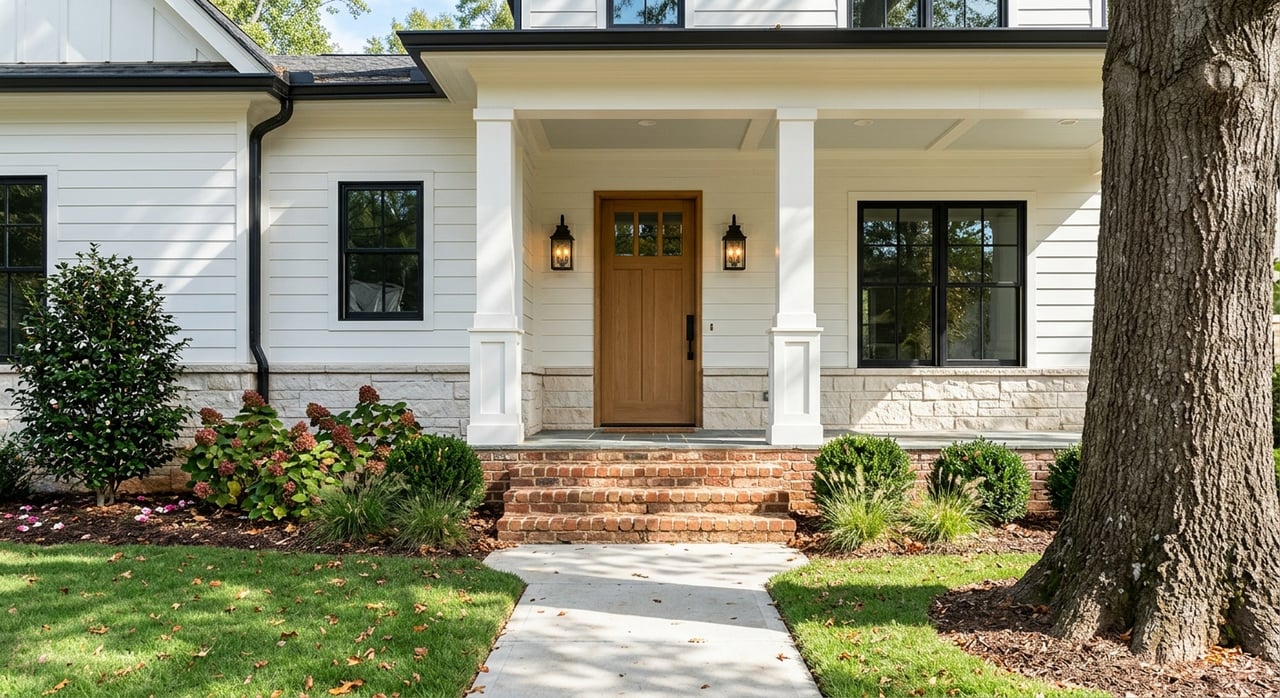
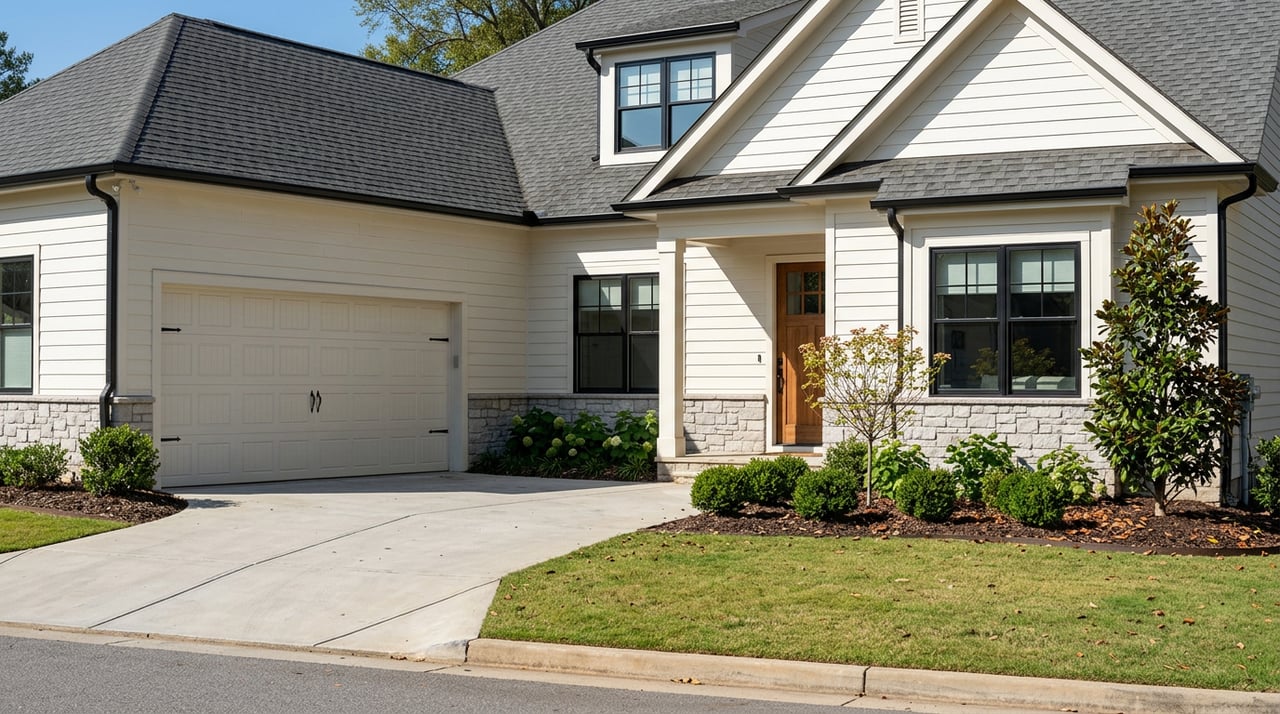
You’ll see a wide range of homes on the street, from renovated Victorian “grand dames” on generous lots to early 20th‑century bungalows and Foursquares. Near the neighborhood’s western edge, you’ll find some loft and condo conversions in former industrial buildings, plus newer townhomes and infill that aim to fit historic context. Design guidelines and preservation overlays influence how exteriors and additions take shape.
Pricing varies by property type, size, and renovation level. A useful guide for shoppers: many single‑family and larger historic homes often trade in the mid‑$600Ks to $1M+ range, with smaller bungalows and condos frequently starting in the high‑$400Ks to $600Ks depending on size and condition. Different portals publish different figures and methods, so use this as a directional band rather than a quote. Exact values change fast, and the best next step is a fresh MLS‑based analysis for the homes you’re watching.
Market tempo often runs competitive for renovated historic homes and any property close to the BeltLine. Limited supply and high demand can mean quick timelines on well‑priced listings. If you have a target street or home style, get set for prompt tours and strong offer strategies.
Schools and safety basics
Inman Park sits within Atlanta Public Schools. Many neighborhood listings reference the Midtown/Grady cluster with schools like Mary Lin Elementary, Inman Middle, and Midtown (Grady) High, but assignments are address‑specific and can change. Always verify the current attendance zone for any home you’re considering through the district’s official tools.
For safety, the Inman Park Neighborhood Association coordinates a resident‑funded Inman Park Security Patrol that staffs off‑duty officers for added neighborhood coverage. To understand how the program works and how neighbors engage, review IPNA materials such as the Advocator newsletter reference. For crime trends on a given block, check recent data from the Atlanta Police Department when you’re evaluating a specific address.
Who thrives in Inman Park
If you love porch culture, parks, and a short walk to coffee or dinner, this neighborhood fits. Many residents value the BeltLine connection, the historic character, and the active civic scene. You’ll also notice a lively dining strip that can bring some noise and parking pressure near hotspots. Most days, though, it feels like a green, human‑scaled pocket of the city with an easy cadence from morning errands to evening meetups.
Planning your next step
If you’re weighing a move, start with a neighborhood walk along the BeltLine, a loop through Springvale Park, and a pass by Krog Street Market to get the feel. Then narrow your home search by street and style. Historic properties vary widely in layout and renovation quality, so it pays to preview a mix before you lock in your must‑haves.
Ready to explore homes or get a pricing read on your property in Inman Park? We pair local insight with fast, team‑based support so you can see homes first, price with confidence, and move at the right time for you. Start a conversation with Dustin Wilson to plan your next step.
FAQs
Is Inman Park walkable and transit‑friendly?
- Yes. Walk Score rates Inman Park “Very Walkable” with a score around 87, and the BeltLine Eastside Trail plus the Inman Park–Reynoldstown MARTA station make many trips easy on foot, bike, or rail. See the Walk Score profile and the MARTA station overview.
What are the signature amenities in Inman Park?
- The BeltLine Eastside Trail, Krog Street Market, small neighborhood parks like Springvale Park, nearby Freedom Park greenways, and beloved spots such as the Wrecking Bar Brewpub. Explore the Eastside Trail and get a feel for Krog Street Market.
How much do homes cost in Inman Park?
- As a broad guide, many single‑family and larger historic homes often trade in the mid‑$600Ks to $1M+ range, with smaller bungalows and condos frequently starting in the high‑$400Ks to $600Ks depending on size and condition. Exact values shift with inventory, so request current comps before you write an offer.
What types of homes will I find in Inman Park?
- A mix of restored Queen Anne and Romanesque Revival homes, early 20th‑century bungalows and Foursquares, plus townhomes and loft or condo conversions near the BeltLine. Historic overlays influence design for renovations and infill.
What should I know about schools in Inman Park?
- The neighborhood is within Atlanta Public Schools, with many listings referencing the Midtown/Grady cluster. School assignments are address‑specific and can change, so verify any home’s current attendance zone using APS tools before you enroll.
Are there local safety programs in Inman Park?
- Yes. The Inman Park Neighborhood Association runs a resident‑funded Security Patrol with off‑duty officers for added coverage. For details on programs and participation, see IPNA materials like the Advocator reference and review recent APD data for any address you’re considering.